








Siroko (Spain): Guide to Understanding Professional Road Cycling: An Introduction
Cycling is one of the toughest, most complex, and most fascinating sports in the world. Behind every stage we watch on television lies a universe of tactics, teams, hierarchies, regulations, sacrifice, and beauty that often goes unnoticed. This series is designed for anyone who wants to understand that world, enjoy it more deeply, and discover what lies behind the spectacle.
Over several articles, we will explain step by step how professional road cycling works: what types of races exist, how teams are organized, what role each rider plays, how a season is planned, how riders are signed, and why the Tour de France is the biggest event of the year. We will also look at where and how to watch races today, and how technology and training methods have changed the sport in recent years.
This first article is the starting point: a short and simple introduction to professional cycling and the reasons why so many fans become hooked on it.
What is professional cycling?
Professional cycling is a team sport, but at the same time an individual struggle. It brings together tactics, physical effort, intelligence, suffering, and beauty. Many fans first discover it while watching a Tour de France stage in the summer, often without realizing the complexity behind what they see.
Why is cycling considered a team sport?
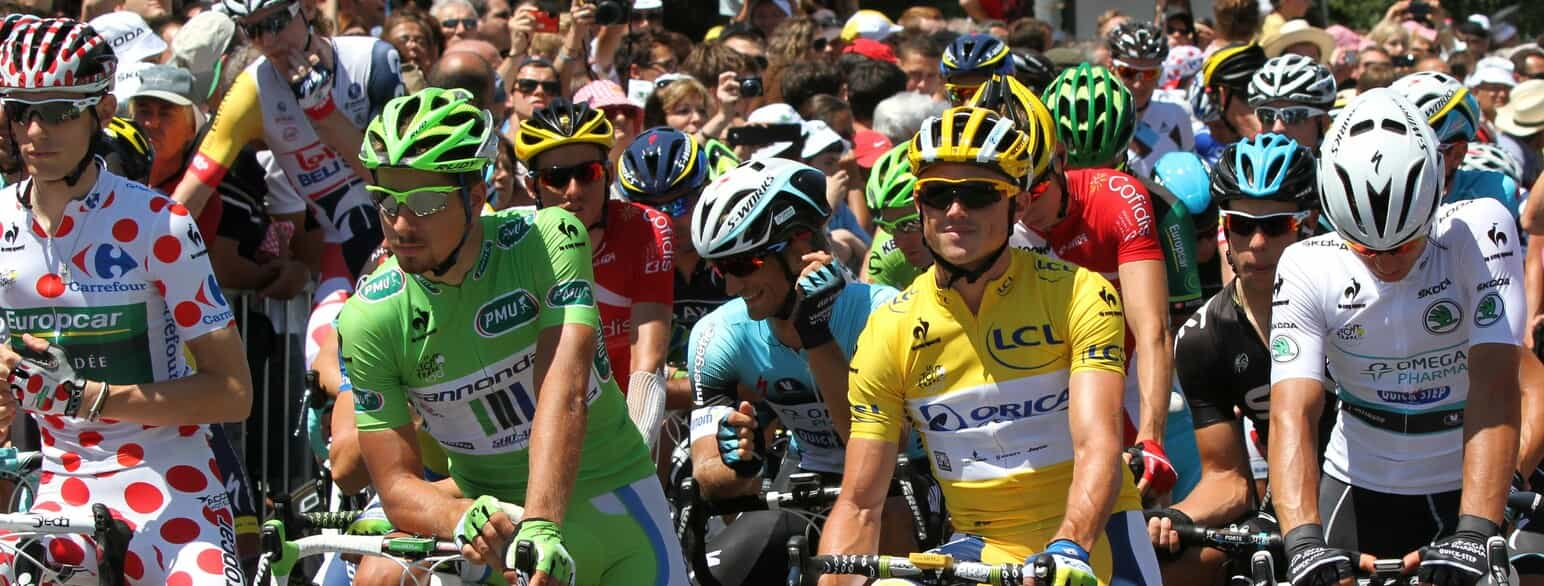
Even though only one rider celebrates victory at the finish line, cycling is a profoundly collective sport. Behind every triumph is a team of domestiques (from Latin gregarius, “of the group”) who protect their leader from the wind, hand out water bottles, control the pace, or reel in breakaways. That shared effort defines the peloton, a living, breathing entity. Seeing it stretch, fragment, and reunite is like watching a perfectly orchestrated performance of teamwork and tactics.
Where does professional cycling come from?
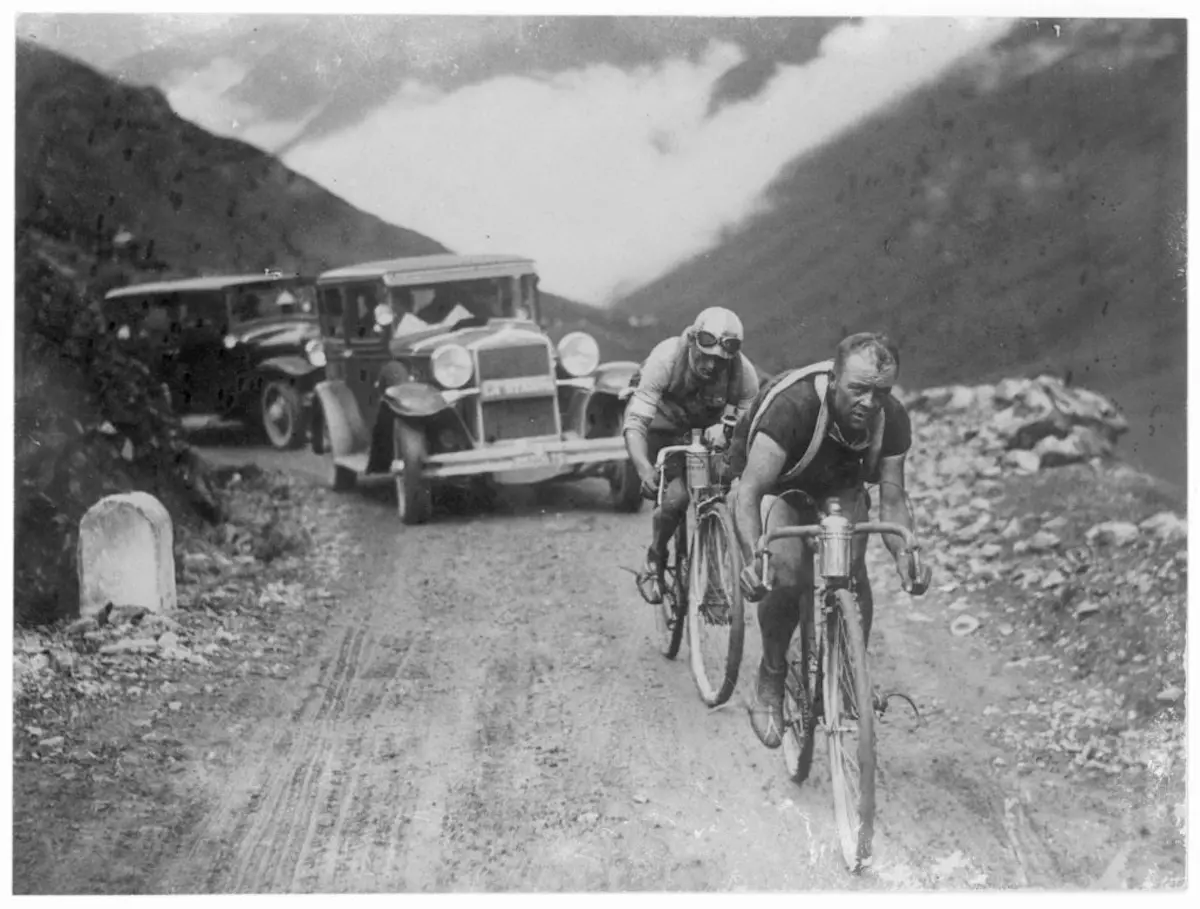
Competitive cycling was born in the late nineteenth century, when the first riders climbed onto their bicycles and raced along dirt roads and cobblestones. Since then, it has evolved into one of the toughest and most spectacular sports in the world. Names like Eddy Merckx, Fausto Coppi, Bernard Hinault, Miguel Indurain, and Tadej Pogačar have shaped a history filled with both triumph and hardship.
What makes professional cycling so unique?
In a world where everything moves too fast, cycling offers something different. Hours of racing where, even if it doesn’t always appear so, every move counts. Kilometers pass as landscapes shift, strategies collide, and human limits are pushed. Watching cycling teaches you that the strongest rider doesn’t always win; sometimes it’s the smartest rider, the one with the strongest team, or simply the one luckiest on the cobbles of Roubaix.
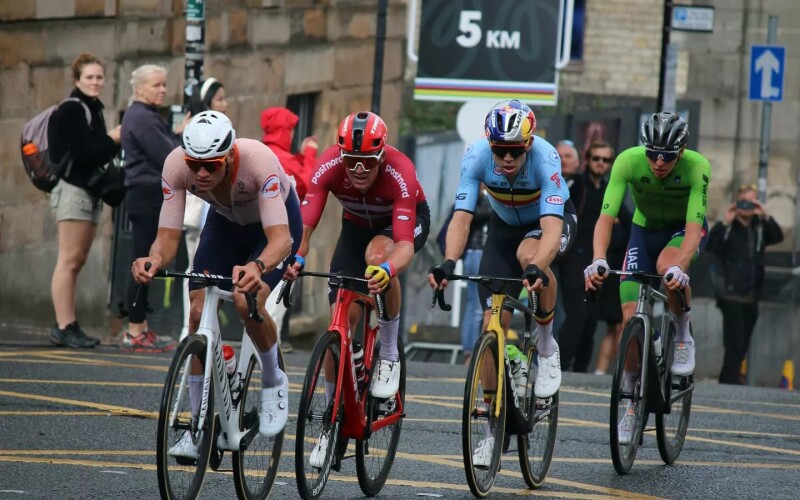
Professional cycling is unlike most sports: it doesn’t take place in a stadium and there’s no scoreboard to track the action. Instead, it happens on roads—smooth or rough, cobbled or rural—across mountains, valleys, and villages. Each race has its own character, and every stage tells a story, packed with riders, emotion, and strategic moves.
How is a cycling season organized?
The professional cycling calendar stretches across almost the entire year, from February to October. There are races on every continent, from small stage races lasting a few days to the three Grand Tours: the Giro d’Italia, the Tour de France, and the Vuelta a España. Each has its own characteristics and tests different qualities: endurance over long distances, recovery day after day, the ability to handle crosswinds, the capacity to climb long mountain passes or punchy hills, the strength of a team, sprinting speed, or power in the individual time trial.
What role does each rider play within a team?
The vast majority of riders never celebrate a victory at the finish line, yet in professional cycling, success goes beyond winning. Each rider has unique skills and a role that depends on the race.
There are Grand Tour contenders like Pogačar, Vingegaard, or Remco Evenepoel; the stars of the spring Classics such as Mathieu van der Poel or Wout van Aert; sprinters like Tim Merlier or Jonathan Milan who unleash incredible speed in the final meters; domestiques who work for their leaders by fetching bottles, pacing on flats or mountains; lead-out riders who prepare the sprint finish for their sprinter; powerful rouleurs capable of riding at the front of the peloton for hours; and stage hunters who slip into breakaways to give their team visibility and try their luck.
A rider rarely has only one role within a team. In certain races, they might be the last domestique supporting their leader, while in others, they could take the team lead. Roles can even change within the same race, depending on form or stage profile. In the end, each rider’s contribution keeps the team running, and completing their job at the right time is a success—both personally and collectively—even if the reward is simply having given everything on the road.
Why does cycling have so many followers?
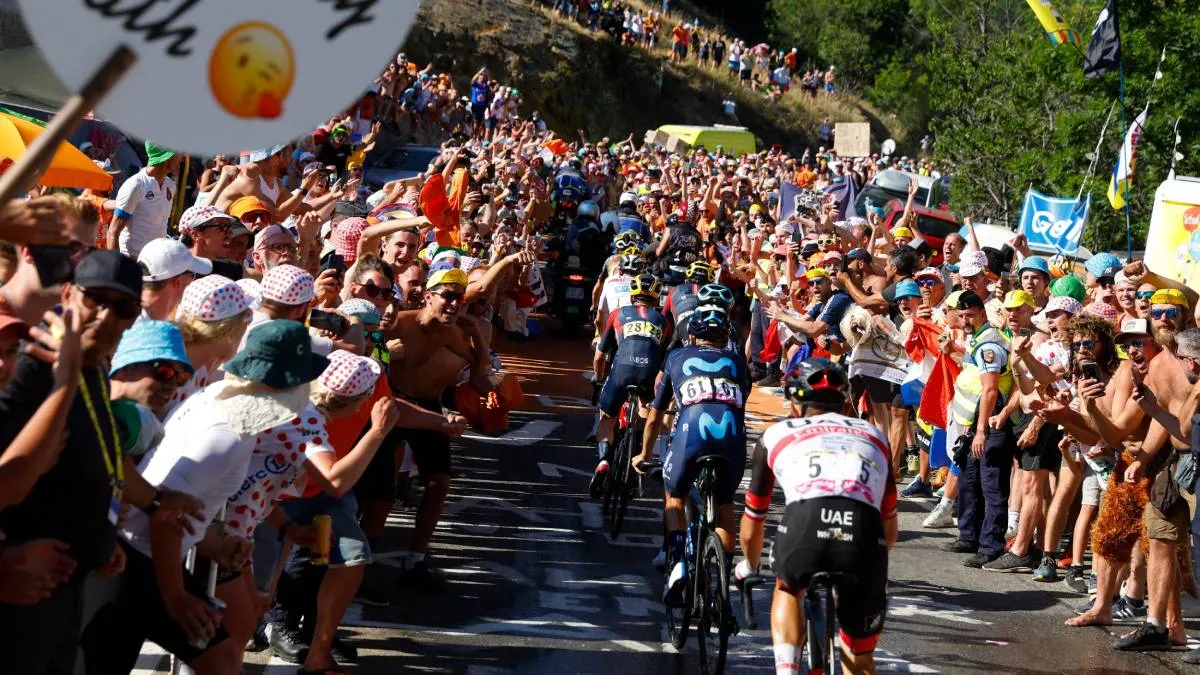
Cycling draws people in because it’s authentic. The struggle is visible: riders pushing up climbs or battling headwinds reveal the human side of sport. And once you know how it works, you realize cycling is more than pedaling: it’s strategy, teamwork, mental resilience, and a story unfolding kilometer by kilometer.
Maybe that is why, when you watch a stage of the Tour and feel something stir inside you, there is no going back. You start to understand it. You start to enjoy it. You start to become part of the peloton.
If this opening stage has piqued your interest, rest assured—this is only the beginning. Future articles will explore professional cycling in depth. We’ll break down the different types of races and their categories, show how teams are organized and the role of every staff member, explore the transfer market and rider salaries. We’ll dedicate a full chapter to the Tour de France—the race that changes everything. We’ll also cover how to watch races today, from free-to-air TV to digital platforms, and how technology and science are shaping the sport.
Enjoy Extra Discount on your Siroko Gear — for all type of riders, from beginers to pro cyclists:
Use BIKETODAY coupon code and get Extra Discounts on selected Siroko products for Cycling, Fitness, Snow, Golf, Adventure, Lifestyle and more, for Kids and Adults. Buy now here srko.co/biketoday
















Interested? Submit your enquiry using the form below:
Only available for registered users. Sign In to your account or register here.